More farms are opening their gates to visitors, and the trend is not slowing down. Agritourism, which the USDA defines as a commercial enterprise that links agricultural production with tourism to attract visitors and generate income, has moved from a novelty to a legitimate revenue strategy for farms of all types and sizes.
If you’re farming land, raising animals, growing crops, or running a vineyard, you may already be closer to agritourism than you think. Here’s what the data says, why it works for farms, and how glamping makes the case even stronger.
How Agritourism Benefits Farms
The primary benefit is income diversification. A farm that earns revenue from both production and visitors is more financially resilient than one that depends on a single income source. This is especially valuable for small and mid-size farms that operate on tight margins.
Research from North Carolina State University shows that agritourism does more than just add revenue. When visitors experience a working farm directly, their perception of local food shifts. They become more likely to seek out and purchase locally grown food, which creates downstream economic benefits for the farm and the broader agricultural community.
The market is also expanding. Grand View Research projects agritourism to more than double in size between 2022 and 2030. That growth is being driven by exactly the demographic that farms need to reach: younger adults, particularly Millennials and Gen Z, who are actively seeking experiences that connect them to where their food comes from.
How Agritourism Benefits Your Guests
For visitors, an agritourism experience offers something most travel cannot: a genuine connection to the land and to how food is produced. Whether guests are picking pumpkins, feeding rescued pigs, touring a lavender field, or learning to cook from scratch in a farm kitchen, they are building a memory that is harder to come by and more meaningful than a hotel stay.
This is especially true for urban visitors. As the food movement grows and consumers become more deliberate about their sourcing and purchasing, farms offer a rare window into something most people only read about. Your farm, whatever its focus, can deliver that experience.
Why Glamping Makes Agritourism More Effective
The single biggest limitation of agritourism is duration. A day trip generates modest revenue. An overnight stay changes the economics entirely.
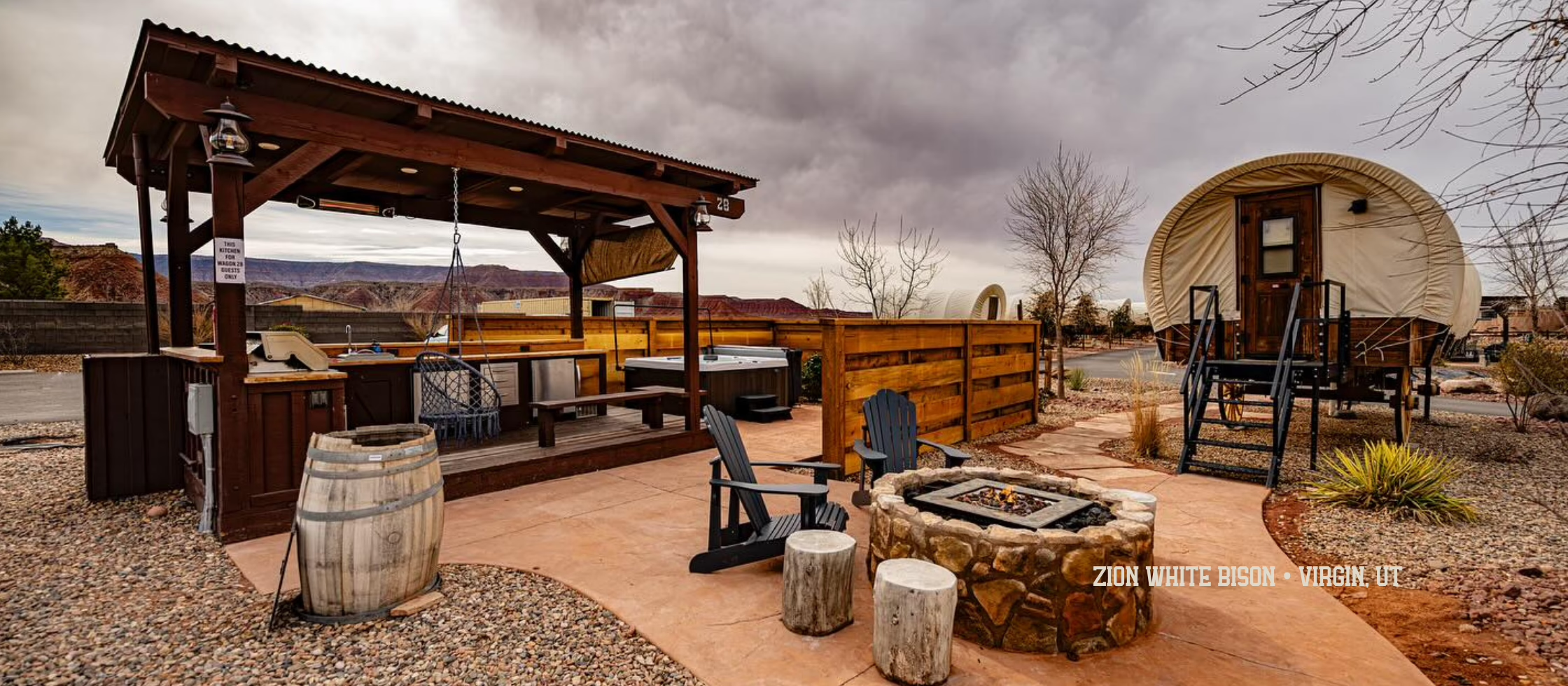
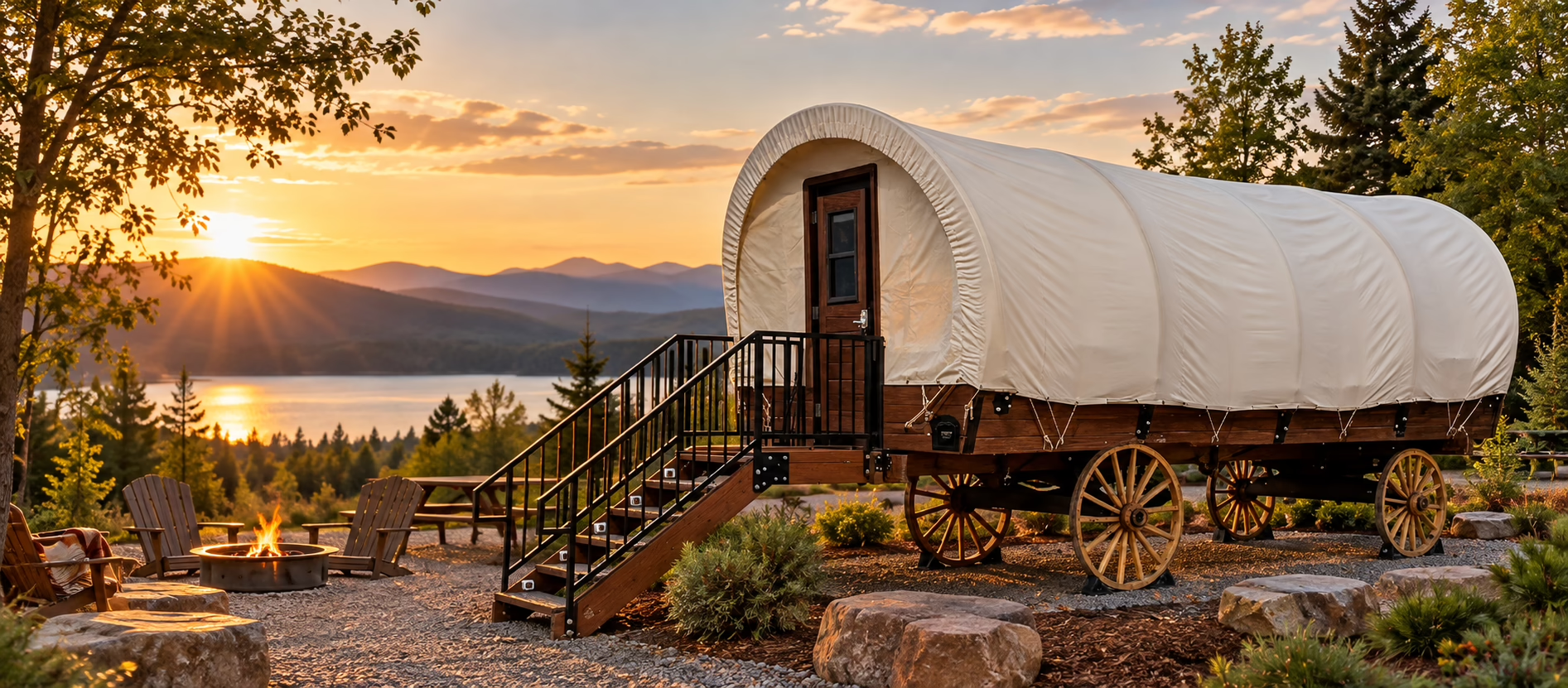
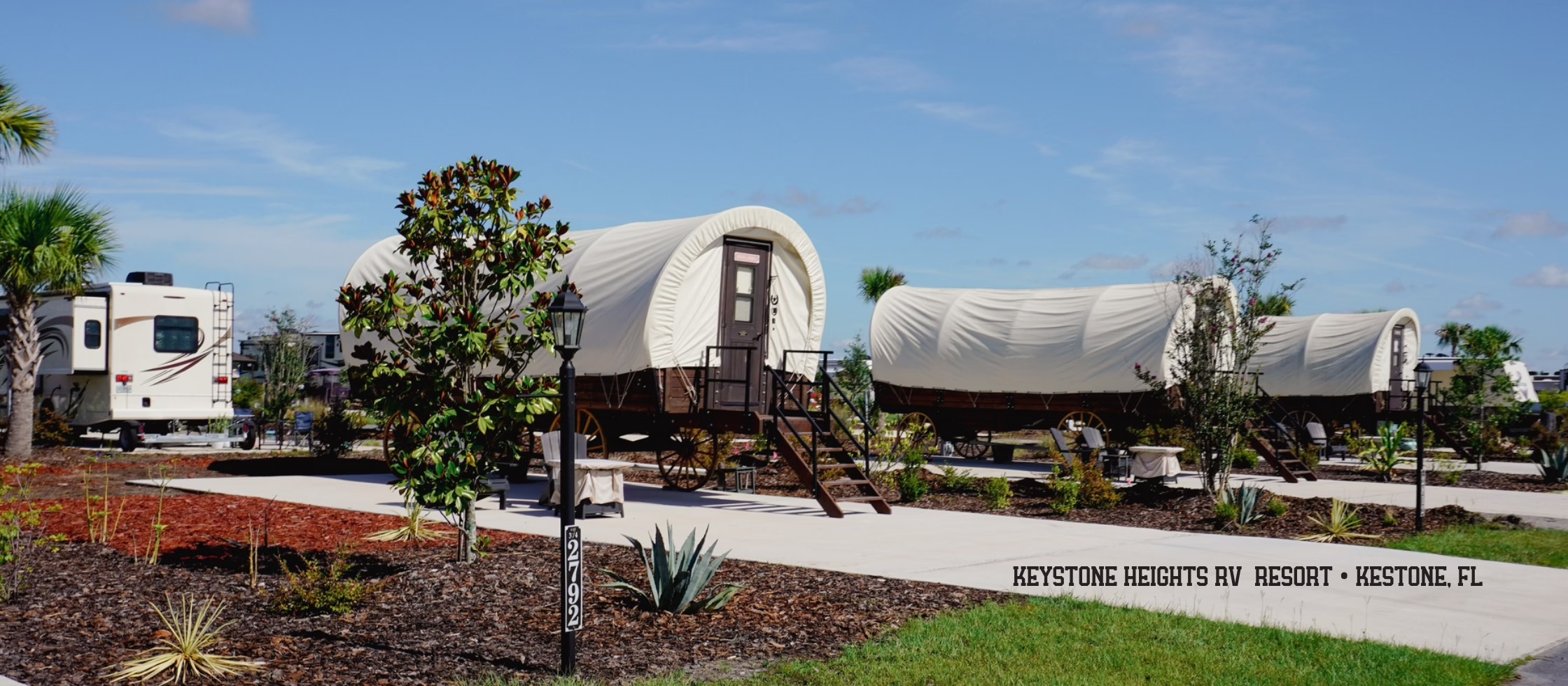
Glamping solves the duration problem by giving guests a reason to stay. According to the North American Glamping Report 2022, glamping guests stay three to five nights on average and are willing to pay a premium for the experience. A covered wagon on your farm turns a visitor into a multi-night guest, dramatically increasing per-visit revenue.
Glamping also makes your farm more discoverable. Properties with unique overnight accommodations show up on booking platforms like Airbnb and Hipcamp, and they attract a steady stream of guests who are specifically searching for farm-based experiences.
What Types of Farms Are a Good Fit?
The short answer is most of them. PlainsCraft works with lavender farms, animal sanctuaries, vineyards, solar-powered working ranches, and diversified family farms. What they share is not a specific type of agriculture, but a location, a story, and a guest experience worth staying for.
If you are not sure whether agritourism glamping makes sense for your property, contact PlainsCraft. We can walk you through what other farms in similar situations have done and what the realistic revenue potential looks like.